The Psychology of Logo Design: How Colors and Shapes Influence Brand Perception

The Psychology of Logo Design: How Colors and Shapes Influence Brand Perception

INTRODUCTION

In today’s competitive market, a well-designed logo plays a crucial role in capturing the attention of potential customers and conveying a brand’s identity. However, a successful logo design goes beyond aesthetics. It taps into the psychology of human perception, leveraging colors and shapes to evoke emotions and influence brand perception. In this blog post, we will explore the fascinating connection between logo design, colors, shapes, and the psychological impact they have on consumers.

The Power of Colors in Logo Design

Colors have a profound effect on human emotions and can shape the way people perceive and remember a brand. Here are some key color associations to consider when designing a logo:

a. Red:

This color signifies energy, passion, and excitement. Brands like Coca-Cola and Netflix use red to create a sense of urgency and grab attention.

b. Blue:

Often associated with trust, stability, and professionalism, blue is commonly used by brands like IBM and Facebook to establish a sense of reliability.

c. Yellow:

Symbolizing optimism, happiness, and creativity, yellow is used by brands like McDonald’s and Snapchat to create a youthful and vibrant image.

a. Red:

This color signifies energy, passion, and excitement. Brands like Coca-Cola and Netflix use red to create a sense of urgency and grab attention.

b. Blue:

Often associated with trust, stability, and professionalism, blue is commonly used by brands like IBM and Facebook to establish a sense of reliability.

c. Yellow: Symbolizing optimism, happiness, and creativity, yellow is used by brands like McDonald’s and Snapchat to create a youthful and vibrant image

b. Blue:

Often associated with trust, stability, and professionalism, blue is commonly used by brands like IBM and Facebook to establish a sense of reliability.


c. yellow:

Symbolizing optimism, happiness, and creativity, yellow is used by brands like McDonald’s and Snapchat to create a youthful and vibrant image

d. Green:

 Associated with nature, growth, and health, green is frequently used by brands such as Whole Foods and Starbucks to convey a sense of eco-friendliness and well-being.

e. Black:

Representing sophistication, power, and elegance, black is often employed by luxury brands like Chanel and Prada to create a sense of exclusivity.

The Influence of Shapes on Logo Design

Shapes have inherent meanings and can significantly impact how a logo is perceived. Here are some common shapes used in logo design and their associated

psychological effects:

This color signifies energy, passion, and excitement. Brands like Coca-Cola and Netflix use red to create a sense of urgency and grab attention.

a. Circles

Circles: Circles represent unity, harmony, and eternity. They convey a sense of community and are commonly used by brands like BMW and Mastercard to create a feeling of inclusivity.

b. Triangles

Triangles signify stability, energy, and ambition. They are often used by brands such as Adidas and Delta Airlines to convey a sense of forward motion and strength.

c. Squares/Rectangles:

Squares and rectangles denote stability, balance, and trustworthiness. They are frequently used by brands like Microsoft and Adobe to evoke a sense of reliability and professionalism.

d. Curves: Curved shapes

such as waves or arcs, convey a sense of fluidity, grace, and friendliness. Brands like Coca-Cola and Amazon utilize curves to create a welcoming and approachable image.

e. Abstract Shapes:

Abstract shapes allow for creative expression and can evoke specific emotions or ideas based on individual interpretation. Examples include the Nike swoosh and the Apple logo, which use abstract shapes to represent movement and innovation.

The Importance of Color-Shape Combinations

Designing a logo

When designing a logo, the combination of colors and shapes should align with the brand’s personality, values, and target audience. Here are some examples of effective color-shape combinations and their psychological impact:

a. Red + Triangle:

This combination signifies energy, power, and assertiveness. It can be suitable for brands in the sports or technology industries, aiming to convey a dynamic and cutting-edge image.

b. Blue + Circle:

The combination of blue and a circle represents trust, harmony, and inclusivity. It is often utilized by brands in the healthcare or social media sectors, emphasizing reliability and community.

c. Green + Abstract Shape:

Green combined with an abstract shape conveys a sense of innovation, growth, and environmental consciousness. Brands focusing on sustainability or technology may opt for this combination to highlight their eco-friendly initiatives.

Emerging Trends in Voice Search: Optimizing Your Digital Marketing Strategy

Emerging Trends in Voice Search: Optimizing Your Digital Marketing Strategy

INTRODUCTION

In recent years, voice search has rapidly gained popularity, thanks to the increasing prevalence of smart speakers and virtual assistants like Siri, Alexa, and Google Assistant. As voice search continues to evolve, businesses need to adapt their digital marketing strategies to ensure they stay relevant in this voice-driven landscape. In this blog post, we will explore the emerging trends in voice search and provide valuable insights on how you can optimize your digital marketing strategy to leverage this growing trend.

The Rise of Voice-Activated Devices:

The increasing adoption of voice-activated devices is one of the key driving forces behind the surge in voice search. Smart speakers and virtual assistants have become an integral part of households, making voice search a convenient and hands-free way to access information. As a marketer, it’s crucial to recognize this trend and tailor your digital marketing efforts to accommodate voice queries.

Conversational Language and Long-Tail Keywords:

Voice searches are typically longer and more conversational compared to traditional text-based searches. When optimizing your content, focus on incorporating long-tail keywords that match natural language queries. Consider the questions your target audience might ask and create content that provides concise and relevant answers. This approach will enhance your chances of appearing in voice search results.

Local SEO and Voice Search:

Voice searches often have a local intent, such as finding nearby restaurants, stores, or service providers. Optimizing your local SEO strategy is essential to capitalize on these voice-based local searches. Ensure your business information is accurate and up-to-date on online directories, Google My Business, and other relevant platforms. Utilize location-specific keywords to improve your visibility in voice search results for local queries.

Featured Snippets and Position Zero:

Securing a position zero or a featured snippet in search engine results is highly beneficial for voice search optimization. Voice assistants often rely on featured snippets to provide users with concise answers. Optimize your content to provide direct and valuable answers to frequently asked questions in your industry. Structure your content using headers and bullet points to increase the chances of appearing as a featured snippet.

Mobile Optimization and Voice Search

Mobile devices are frequently used for voice searches, so mobile optimization is crucial. Make sure your website is mobile-friendly, loads quickly, and provides an excellent user experience. Implement responsive design, optimize your site’s speed, and ensure easy navigation for mobile users. Voice searchers expect instant results, so a mobile-optimized website will give you an edge over your competitors.

Voice Search and Social Media

Voice search and social media go hand in hand. Social media platforms like Facebook, Instagram, and Twitter are now integrating voice search functionalities. Optimize your social media profiles and content to leverage voice search features on these platforms. Use relevant hashtags, and engaging captions, and provide value-driven content to attract voice search users on social media.

Voice Search Analytics and Monitoring:

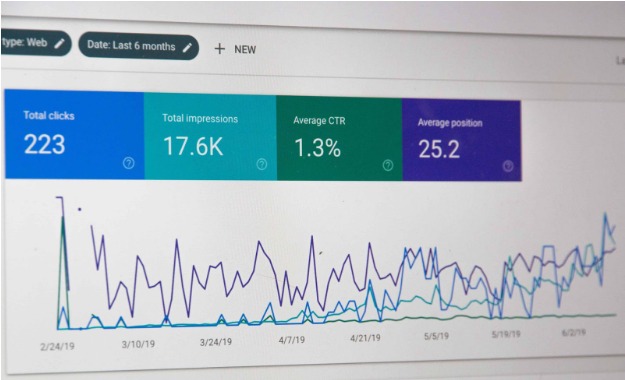
As with any marketing strategy, monitoring and analyzing your voice search performance is crucial. Track the voice search queries that drive traffic to your website, identify trends, and optimize your content accordingly. Utilize tools like Google Analytics, SEMrush, or other voice search analytics platforms to gain insights into user behavior and preferences.

Conclusion

Voice search is not just a passing fad; it’s a rapidly growing trend that’s reshaping the digital marketing landscape. By embracing these emerging trends and optimizing your digital marketing strategy accordingly, you can effectively position your business for success in the voice-driven era. Stay ahead of the competition by adopting a proactive approach to voice search and providing valuable content that aligns with user intent. Remember, optimizing for voice search today will ensure a stronger online presence and better visibility tomorrow.
Fahsoft Technology emerges as the core e-commerce solution provider in town, offering a holistic approach to meet the diverse needs of businesses in the digital age. By choosing Fahsoft as your e-commerce partner, you are not just investing in a solution; you are investing in the success and growth of your online business.

Emerging Technologies Shaping

Emerging Technologies Shaping the

INTRODUCTION

In today’s digital era, mobile app development is continuously evolving, driven by emerging technologies that are reshaping the industry. The combination of advanced hardware capabilities, powerful software frameworks, and innovative solutions is revolutionizing the way mobile applications are designed, developed, and deployed. In this article, we will explore the emerging technologies that are shaping the future of mobile app development and their impact on the industry.

Internet of Things (IoT) Integration

Internet of Things

The Internet of Things (IoT) is connecting various devices, enabling them to communicate and share data seamlessly. The integration of IoT with mobile apps opens up a new realm of possibilities. Developers can leverage IoT to create intelligent applications that interact with smart devices such as wearables, home automation systems, and connected cars. This integration enhances user experiences and provides personalized services, making mobile apps an integral part of the IoT ecosystem.

Artificial Intelligence (AI) and Machine Learning (ML)

Artificial Intelligence (AI) and Machine Learning (ML) are transforming the way mobile apps operate. AI-powered chatbots are revolutionizing customer support by providing instant responses and personalized recommendations. ML algorithms enable apps to learn user behavior and preferences, allowing them to deliver tailored content and experiences. AI and ML also play a significant role in enhancing app security, detecting anomalies, and preventing cyber threats.


Augmented Reality (AR) and Virtual Reality (VR)

Augmented Reality (AR) and Virtual Reality (VR) technologies have gained immense popularity in recent years. Mobile app developers are leveraging AR and VR to create immersive experiences and enhance user engagement. From gaming and entertainment to education and training, these technologies have the potential to revolutionize various industries. AR and VR apps can overlay digital information onto the real world or transport users to entirely virtual environments, offering unique and captivating experiences.


Blockchain Technology

Blockchain technology is not limited to cryptocurrencies; it has the potential to transform mobile app development as well. Blockchain provides secure and transparent data storage, eliminating the need for intermediaries. Mobile apps can leverage blockchain for secure transactions, decentralized identity management, and data integrity verification. By incorporating blockchain technology, mobile apps can ensure trust, privacy, and accountability, opening up new possibilities for financial services, supply chain management, and more.

Progressive Web Apps (PWAs)

Progressive Web Apps (PWAs) are hybrid solutions that combine the best features of both web and native apps. PWAs offer the benefits of cross-platform compatibility, offline capabilities, and faster loading times. These apps can be accessed through web browsers, eliminating the need for users to download and install traditional mobile apps. PWAs are gaining popularity due to their ability to deliver a seamless user experience across different devices, making them a promising future for mobile app development.

Customer-Centric Approach:

Fahsoft prioritizes customer satisfaction, offering personalized support and tailored solutions to ensure that each client’s unique needs are met. The team at Fahsoft understands that one size does not fit all, and they go the extra mile to customize their services accordingly.

Conclusion

The future of mobile app development is being shaped by a myriad of emerging technologies. The integration of IoT, AI and ML, AR and VR, blockchain, and PWAs is revolutionizing the industry, offering new possibilities and enhanced user experiences. Mobile app developers need to stay updated with these emerging technologies to leverage their potential and deliver innovative solutions. As the mobile landscape continues to evolve, the successful adoption and integration of these technologies will determine the success of mobile apps in the future.

The Future of Mobile App Development: 7 Key Trends Shaping the Industry in 2025

The Future of Mobile App Development: 7 Key Trends Shaping the Industry in 2025

INTRODUCTION

Mobile app development is an ever-evolving landscape that constantly adapts to the latest technologies and user demands. As we step into 2023, the industry continues to undergo significant transformations that will shape the future of app development. In this blog post, we’ll explore seven key trends that are revolutionizing the way mobile apps are designed, developed, and deployed.


5G Integration and Enhanced Performance:

With the widespread adoption of 5G networks, mobile apps are becoming faster and more responsive than ever before. We’ll delve into how developers are harnessing the power of 5G to optimize app performance, reduce latency, and enable seamless experiences that were once unimaginable.

Augmented Reality (AR) and Virtual Reality (VR) Experiences:

AR and VR are breaking barriers in mobile app development, enabling immersive and interactive experiences. This section will highlight how businesses are leveraging these technologies to engage users, enhance e-commerce, and redefine entertainment.

Low-Code/No-Code Development:

The rise of low-code/no-code platforms is empowering a new generation of developers and entrepreneurs to create mobile apps without extensive coding knowledge. We’ll discuss the benefits, challenges, and the democratization of app development through these platforms.

Embrace AI-Driven Analytics:

As mobile apps handle sensitive user data, security remains a paramount concern. We’ll explore the latest advancements in app security, including biometric authentication, encryption, and secure APIs, to ensure user data is protected.

Internet of Things (IoT) Integration:

The Internet of Things is connecting devices like never before. We’ll examine how mobile apps are becoming central hubs to control and monitor IoT devices, streamlining everyday tasks and creating smarter environments.

Sustainable App Development:

The world of mobile app development is rapidly evolving, and staying ahead of the latest trends is crucial for developers and businesses alike. From harnessing the potential of 5G and AI to incorporating AR/VR experiences and prioritizing app security, the future promises exciting advancements in the app development landscape. Embracing these trends will enable developers to create innovative and user-centric apps that thrive in the dynamic mobile ecosystem of 2023 and beyond.

Conclusion

The world of mobile app development is rapidly evolving, and staying ahead of the latest trends is crucial for developers and businesses alike. From harnessing the potential of 5G and AI to incorporating AR/VR experiences and prioritizing app security, the future promises exciting advancements in the app development landscape. Embracing these trends will enable developers to create innovative and user-centric apps that thrive in the dynamic mobile ecosystem of 2023 and beyond.

Embracing the Future of Google Ads: Harnessing AI and Automation Advancements for Success

Embracing the Future of Google Ads: Harnessing AI and Automation Advancements for Success

INTRODUCTION

In the ever-evolving world of digital advertising, Google Ads has been at the forefront, constantly adapting and innovating to meet advertisers’ needs. One of the most significant factors driving these advancements is the integration of artificial intelligence (AI) and automation. In this blog post, we will delve into how Google’s ongoing developments in AI and automation are revolutionizing Google Ads, and we’ll explore the key insights advertisers need to stay ahead of the game.


Understanding Google’s AI-Powered Smart Bidding:

Google’s Smart Bidding algorithms leverage the power of machine learning to optimize bidding strategies automatically. This advancement allows advertisers to bid more effectively, maximizing conversions or conversion value while adhering to specified cost-per-acquisition (CPA) or return on ad spend (ROAS) targets. We’ll discuss the various Smart Bidding strategies available, the benefits they offer, and how advertisers can leverage them for their campaigns.

Automation and Ad Creation:

With the rise of AI, Google Ads now allows for automated ad creation. Advertisers can provide different ad elements, and the AI will assemble them into highly relevant and customized ads for different audience segments. We’ll delve into the impact of automated ad creation on ad performance, user experience, and the challenges advertisers might face while using this feature.


The Role of AI in Audience Targeting:

AI is transforming audience targeting in Google Ads, enabling advertisers to identify high-potential audiences more accurately. Machine learning algorithms can analyze vast amounts of data to identify patterns and characteristics of potential customers, allowing advertisers to refine their targeting strategies. We’ll explore how advertisers can take advantage of AI-powered audience targeting to enhance their ad relevance and reach.

Mobile Optimization:

With the growing reliance on mobile devices for online shopping, Fahsoft Technology places a strong emphasis on mobile optimization. Their e-commerce solutions are designed to provide a seamless and enjoyable shopping experience across various devices, enhancing customer engagement and satisfaction.

AI-Driven Ad Extensions and Ad Formats:

Google Ads’ AI algorithms are now more adept at predicting which ad extensions and formats are likely to perform best for a given query or user. Advertisers can benefit from these predictions to enhance their ad visibility and engagement. We’ll explain the different ad extensions and formats available and how AI is shaping their display to improve click-through rates and overall ad performance.

Adapting to the Changing Landscape: Tips for Advertisers:

As AI and automation continue to redefine the Google Ads landscape, advertisers need to stay informed and adapt their strategies to stay competitive. In this section, we’ll provide practical tips for advertisers to embrace AI and automation effectively. We’ll discuss the importance of data-driven decision-making, staying updated on new features, and maintaining a balance between automation and manual control.

Conclusion

The future of Google Ads is firmly tied to AI and automation, and advertisers who embrace these advancements will gain a competitive edge in the digital advertising landscape. From Smart Bidding to automated ad creation and advanced audience targeting, AI is reshaping the way campaigns are executed. By understanding and harnessing these technologies, advertisers can unlock the true potential of Google Ads and achieve remarkable results in their advertising efforts. Stay ahead of the game and embrace the power of AI to thrive in the exciting future of Google Ads.


Catalyzing Ecommerce Growth: Unveiling the USA’s Path to Online Retail Dominance

Catalyzing Ecommerce Growth: Unveiling the USA’s Path to Online Retail Dominance

INTRODUCTION

In an era where digital transformation is reshaping the retail landscape, the United States stands at the forefront of the ecommerce revolution. This article delves into the strategies and factors propelling the USA towards online retail dominance, and how businesses can seize the opportunities within this thriving market

The Rise of Ecommerce in the USA

The rapid rise of ecommerce in the USA is nothing short of spectacular. With a market value projected to reach $892.77 billion by 2023, online retail has become the dominant force in the country’s commerce landscape. Key SEO Keywords: Ecommerce growth in the USA, US online retail market.

Technological Advancements Driving Ecommerce Growth

AITechnological innovations have played a pivotal role in catalyzing ecommerce growth. From mobile shopping apps to AI-powered chatbots, these advancements have transformed the way consumers shop online. Key SEO Keywords: Technological advancements in ecommerce, AI in online retail.


Consumer Behavior Shifts

Understanding consumer behavior is essential for retailers looking to thrive in the digital age. With the convenience of online shopping, consumers are increasingly turning to ecommerce for their needs. Key SEO Keywords: Changing consumer behavior in ecommerce, Online shopping trends.

Ecommerce Infrastructure and Logistics

A robust ecommerce infrastructure and efficient logistics are critical for sustaining growth. Investments in warehouses, last-mile delivery, and fulfillment centers are essential to meet the rising demand. Key SEO Keywords: Ecommerce infrastructure, Efficient logistics for online retail.


Competitive Landscape and Marketplaces

Competition Marketplaces:

Competition in the online retail space is fierce. Giant marketplaces like Amazon and eBay dominate, but there’s room for smaller businesses to thrive by carving out their niches. Key SEO Keywords: Competitive landscape in online retail, Online marketplaces.


SEO and Content Marketing Strategies

To succeed in online retail, businesses must implement effective SEO and content marketing strategies. This includes optimizing product listings, creating valuable blog content, and utilizing social media. Key SEO Keywords: SEO strategies for ecommerce, Content marketing in online retail.

Customer-Centric Approach:

Fahsoft prioritizes customer satisfaction, offering personalized support and tailored solutions to ensure that each client’s unique needs are met. The team at Fahsoft understands that one size does not fit all, and they go the extra mile to customize their services accordingly.

Regulatory Challenges

Ecommerce growth is also accompanied by regulatory challenges, such as sales tax compliance and consumer data protection. Staying compliant is crucial for long-term success. Key SEO Keywords: Ecommerce regulations, Sales tax compliance in online retail.

In conclusion,

The USA’s path to online retail dominance is paved with innovation, evolving consumer preferences, and strategic investments. Businesses that understand these factors and implement effective strategies will thrive in this dynamic ecommerce landscape.

In summary, the USA’s journey to online retail dominance is marked by technological advancements, changing consumer behaviors, and the adoption of efficient logistics. By embracing SEO and content marketing strategies, businesses can position themselves for success in this booming ecommerce market.

Remember to conduct keyword research and adjust the SEO keywords to match the most up-to-date and relevant terms in your niche. Additionally, ensure that the content is well-written, informative, and provides value to your readers, as user engagement is also a crucial factor in SEO rankings.


The Power of Digital Marketing: Your Roadmap to Success

The Power of Digital Marketing: Your Roadmap to Success

INTRODUCTION

In today’s fast-paced and competitive business landscape, the importance of digital marketing cannot be overstated. It has become the cornerstone of success for businesses looking to thrive in the digital age. In this article, we will delve into the incredible power of digital marketing and explore how it can lead your business to unparalleled success. We’ll also introduce you to the best digital marketing company in the USA that can be your guiding star on this transformative journey.

The Best Digital Marketing Company USA: Your Gateway to Success

Understanding Digital Marketing

Before we dive into the myriad ways digital marketing can shape your business, let’s first understand what it entails. Digital marketing encompasses all online efforts aimed at connecting with, engaging, and influencing your target audience. These efforts include various strategies such as social media marketing, content marketing, email marketing, search engine optimization (SEO), and more.

Digital marketing is a dynamic field, and to truly harness its power, you need a partner that is equally dynamic and well-versed in the latest trends. This is where the best digital marketing company in the USA comes into play. They have the expertise and experience to navigate the digital landscape and drive your business towards unparalleled success.


The Power of Digital Marketing

Global Reach: One of the most significant advantages of digital marketing is its ability to connect you with a global audience. Whether you are a local business or a multinational corporation, the internet knows no bounds. With the right digital marketing strategies, you can reach potential customers from every corner of the world.

Targeted Marketing:

Unlike traditional advertising, digital marketing allows for precise targeting. You can tailor your campaigns to reach specific demographics, interests, and even behavior. This means your marketing efforts are more likely to reach people who are genuinely interested in your products or services

Personalization and Recommendations:

AI-driven personalization and recommendation engines are reshaping how users interact with websites. Website development lays the foundation for incorporating these intelligent features seamlessly. By leveraging user data collected through websites, AI algorithms can analyze behavior patterns and offer personalized content, products, or services. This tailored approach enhances user engagement and satisfaction.

Cost-Effective:

Digital marketing is often more cost-effective than traditional advertising channels. With pay-per-click (PPC) advertising, for example, you only pay when someone clicks on your ad. This means you’re not wasting money on audiences who have no interest in your offerings.

Real-Time Data:

Digital marketing provides access to real-time data and analytics. This means you can track the performance of your campaigns as they happen. You can quickly identify what’s working and what’s not, allowing you to make immediate adjustments for better results.

Build Relationships:

Through platforms like social media and email marketing, you can build lasting relationships with your customers. Engaging content and personalized communication foster trust and loyalty, which are essential for long-term success.

Partner with the Best

While the power of digital marketing is undeniable, harnessing it to its full potential requires expertise and a deep understanding of the digital landscape. That’s where the best digital marketing company in the USA becomes your essential ally. Their seasoned professionals have a track record of turning digital potential into tangible results.

By partnering with them, you’ll benefit from tailored strategies, cutting-edge techniques, and a commitment to your success. Whether it’s boosting your website’s SEO to enhance visibility or crafting compelling content that resonates with your audience, the best digital marketing company in the USA is your roadmap to success in the digital age.

Conclusion:

In conclusion, the power of digital marketing is a force to be reckoned with. Its ability to connect, engage, and influence a global audience is unmatched. To fully leverage this power and navigate the digital landscape successfully, partnering with the best digital marketing company in the USA is not just an option; it’s a strategic necessity. Your journey to success in the digital age begins with them as your guiding star.

The Symbiotic Relationship: The Role of Digital Marketing in AI

The Symbiotic Relationship: The Role of Digital Marketing in AI

INTRODUCTION

In today’s digital landscape, the realms of digital marketing and artificial intelligence (AI) have become intricately intertwined. As technology continues to evolve, businesses and marketers are increasingly relying on AI to enhance their digital marketing strategies. In this article, we’ll explore the pivotal role of digital marketing in AI and how it’s shaping the future of online advertising and customer engagement.

Personalization at Scale

One of the most significant contributions of AI to digital marketing is the ability to deliver personalized content at scale. AI algorithms can analyze vast amounts of data, from customer behavior to online interactions, and use this information to tailor marketing messages and recommendations. By understanding individual preferences and behaviors, digital marketers can create highly targeted and relevant campaigns, resulting in improved customer experiences and higher conversion rates.

Predictive Analytics

AI-driven predictive analytics tools enable digital marketers to make data-driven decisions. By analyzing historical data and identifying patterns, AI can provide insights into future trends, consumer behavior, and market dynamics. Marketers can use this information to optimize ad campaigns, forecast demand, and allocate resources more effectively. This not only saves time and resources but also leads to higher ROI.


Chatbots and Virtual Assistants

Chatbots and virtual assistants, powered by AI, are revolutionizing customer service and engagement. These AI-driven tools can interact with customers in real-time, answer questions, and provide support, enhancing user experiences and driving customer satisfaction. Additionally, chatbots can capture valuable customer data, which can be used for further marketing initiatives.


Content Generation and Curation

AI has the ability to create and curate content, making it easier for digital marketers to maintain a consistent online presence. Content generation tools can produce articles, social media posts, and product descriptions, saving time and resources for content creators. Content curation, on the other hand, allows marketers to identify and share relevant content from various sources, establishing credibility and providing value to their audience.


Improved SEO

Search engine optimization (SEO) is a critical aspect of digital marketing. AI helps marketers stay ahead of the game by continuously evolving to meet search engine algorithms and user intent. From optimizing content for voice search to analyzing keywords and competition, AI-driven SEO tools are invaluable in boosting website visibility and driving organic traffic.


Marketing Automation

Marketing automation platforms powered by AI simplify and streamline marketing processes. They can schedule social media posts, send personalized email campaigns, and manage customer journeys with precision. These tools free up time for marketers to focus on strategy and creativity, ultimately increasing efficiency and results.

Data Analysis and Attribution

AI’s data analysis capabilities enable marketers to attribute conversions and sales to specific marketing efforts accurately. This helps in understanding which marketing channels and strategies are most effective. Marketers can then allocate budgets and resources accordingly, ensuring a higher return on investment.


Conclusion:

The integration of artificial intelligence into digital marketing is a game-changer. It empowers marketers to deliver highly personalized, data-driven campaigns, improve customer experiences, and achieve better results. As AI continues to evolve, its role in digital marketing will only become more prominent, reshaping the industry and setting new standards for success. Staying at the forefront of this transformation is essential for businesses looking to thrive in the digital age.

How Website Development Propels the Frontier of Artificial Intelligence

How Website Development Propels the Frontier of Artificial Intelligence

INTRODUCTION

In the dynamic realm of technology, the synergy between website development and artificial intelligence (AI) has become a catalyst for innovation. As businesses and industries rapidly embrace AI, the role of website development in advancing this groundbreaking technology cannot be overstated. In this article, we delve into the pivotal role that website development plays in propelling the frontiers of artificial intelligence, exploring the intricate connection between these two domains.

Seamless User Experience:

A well-crafted website is the gateway to user interaction. Website development ensures a seamless and intuitive user experience, a critical element for AI adoption. As AI applications become more prevalent, websites serve as the interface through which users engage with intelligent systems. Responsive design, intuitive navigation, and user-friendly interfaces contribute to a positive user experience, fostering the widespread acceptance of AI-driven solutions.

Data Accessibility and Integration:

The backbone of any AI system is data. Website development facilitates the creation of data-rich platforms, collecting and organizing information that AI algorithms rely on for learning and decision-making. Effective integration of AI into websites enables real-time data processing, enhancing the capabilities of intelligent systems. This synergy empowers businesses to make informed decisions and deliver personalized experiences to users.

Enhanced Search Engine Visibility:

SEO-optimized website development is a cornerstone for AI visibility. Search engines rely on advanced algorithms that are, in essence, a form of artificial intelligence. By aligning website content with SEO best practices, businesses can improve their online presence, making it easier for AI algorithms to index and understand the information. This visibility contributes to the overall success of AI applications tied to web platforms.

Personalization and Recommendations:

AI-driven personalization and recommendation engines are reshaping how users interact with websites. Website development lays the foundation for incorporating these intelligent features seamlessly. By leveraging user data collected through websites, AI algorithms can analyze behavior patterns and offer personalized content, products, or services. This tailored approach enhances user engagement and satisfaction.

Security and Trustworthiness:

Trust is paramount in the digital landscape, especially when dealing with AI applications. Website development plays a critical role in implementing robust security measures, safeguarding user data and maintaining the integrity of AI systems. SSL encryption, secure data storage, and adherence to privacy regulations build a foundation of trust, crucial for the successful integration of AI technologies.

Scalability and Future-Proofing:

The rapid evolution of AI necessitates adaptable and scalable solutions. Website development frameworks that support scalability ensure that businesses can seamlessly integrate emerging AI technologies. Future-proofing websites against technological obsolescence is crucial, allowing organizations to stay ahead in the AI landscape and harness the benefits of evolving capabilities.

Conclusion:

In the intricate dance between website development and artificial intelligence, each plays a pivotal role in advancing the other. The symbiotic relationship between these two domains creates a powerful synergy that propels technological innovation. As businesses navigate the digital landscape, recognizing the integral connection between website development and AI is essential for unlocking the full potential of these transformative technologies. Embracing this synergy promises not only enhanced user experiences but also the continued evolution of artificial intelligence on the global stage.

The Future of SEO: Navigating the Algorithmic Landscape with AI

The Future of SEO: Navigating the Algorithmic Landscape with AI

INTRODUCTION

In the ever-evolving realm of digital marketing, the synergy between Artificial Intelligence (AI) and Search Engine Optimization (SEO) is reshaping the landscape. As algorithms become more sophisticated, businesses are compelled to adapt their strategies to stay visible in the online ecosystem. In this article, we’ll explore the dynamic interplay between AI and SEO, unraveling the ways in which artificial intelligence is revolutionizing optimization strategies and providing insights on how businesses can not only keep pace but also lead in the SEO game.

The Evolution of SEO with AI: A Symbiotic Relationship

Understanding User Intent

AI has become the backbone of search engines in deciphering user intent. Machine learning algorithms analyze vast amounts of data to discern patterns, enabling search engines to deliver more accurate and relevant results. Businesses must align their SEO strategies with this emphasis on user intent to ensure their content meets the needs of the audience.

Content Creation And Optimization

AI-powered tools are transforming the way content is generated and optimized. Natural Language Processing (NLP) algorithms enable machines to understand and emulate human language, leading to more engaging and contextually relevant content. Businesses should leverage AI-driven content creation tools to enhance the quality of their material and cater to the evolving preferences of search engines.

Staying Ahead in the SEO Game: Strategies for Success

Embrance AO-Driven Analytics

AI-powered tools are transforming the way content is generated and optimized. Natural Language Processing (NLP) algorithms enable machines to understand and emulate human language, leading to more engaging and contextually relevant content. Businesses should leverage AI-driven content creation tools to enhance the quality of their material and cater to the evolving preferences of search engines.

Voice Search Optimization

With the rise of virtual assistants and smart speakers, voice search is becoming ubiquitous. Businesses must adapt their SEO strategies to accommodate conversational queries. AI helps in understanding natural language, and optimizing content for voice search can enhance visibility in this rapidly growing segment of search queries.

Personalization For Enhanced User Experience

AI enables personalized experiences by analyzing user behavior and preferences. Implementing personalized content strategies can significantly improve user engagement and satisfaction. Businesses should invest in AI-driven personalization to create a tailored experience for their audience, leading to increased dwell time and improved search engine rankings.

Continous Learning And Adaptation

The SEO landscape is ever-changing, and businesses need to be agile in their approach. AI facilitates continuous learning by analyzing algorithm updates and industry trends. Staying informed about the latest advancements in AI and SEO is crucial for adapting strategies promptly and maintaining a competitive edge.

Continous Navigating The Future

The future of SEO is undeniably intertwined with the advancements in artificial intelligence. Businesses that embrace AI-driven strategies will not only survive but thrive in the evolving digital landscape. By understanding user intent, optimizing content with AI tools, and staying abreast of the latest trends, businesses can navigate the algorithmic landscape with confidence. The symbiotic relationship between AI and SEO is a beacon for those looking to not only keep pace but lead the way into the future of digital marketing.